

The 1908 book The Wind in the Willows is a lovely story about four friends: a rat, a mole, a badger, and a toad. Although people only familiar with the Disney retelling may associate the story exclusively with Mr. Toad’s crazy driving and reckless escapades, the book is actually about friendship, domesticity, and the importance of home.

The author of Wind in the Willows, Kenneth Grahame, was deeply concerned about his own home, given changes then sweeping over British society that threatened to undermine the simple way of life he loved. In his 2010 intro to the Oxford World’s Classics edition of the book, Peter Hunt explains how “The continuity of The Wind in the Willows lies in the reaction of a conservative man (and a conservative society) to radical change.”
Many of these changes centered around the countryside. Rural areas had suffered by the agricultural depression of 1870-1902. Then the countryside became the site of suburban developments, something Grahame wrote about in an essay for the National Observer in 1892 when he complained that “The desolate suburbs creep ever further into the retreating fields.”
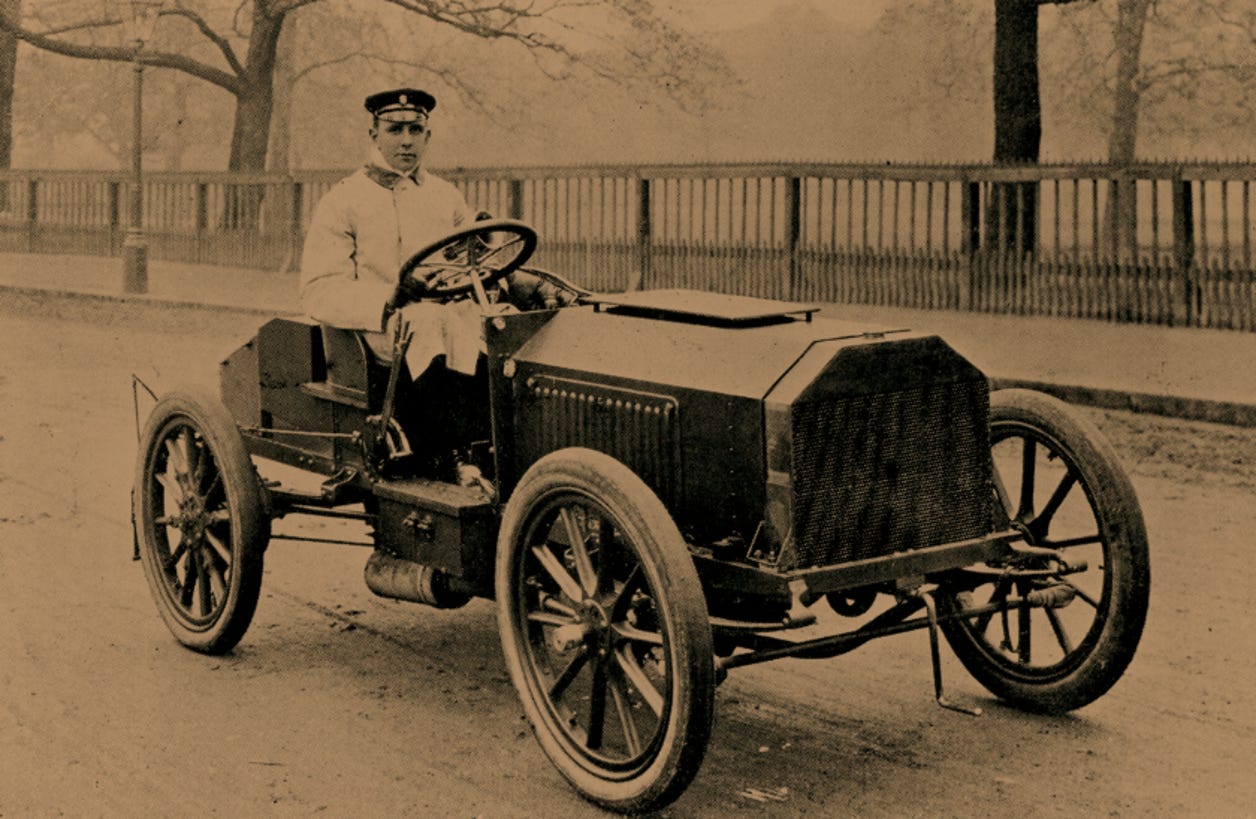
The vanishing countryside was paradigmatic of larger cultural shifts. Late Victorians straddled an older world that seemed increasingly threatened by the forces of modernity. Indeed, this period marked the emergence of many of the features that would come to define the modern age: noisy new technologies, rapid industrialization, and the growth of sprawling urban centers. These changes seemed to come to a symbolic head with cars. By 1903, motor cars could travel legally at the almost unimaginable speed of 20 mph, a fact that many traditionalists found unconscionable.
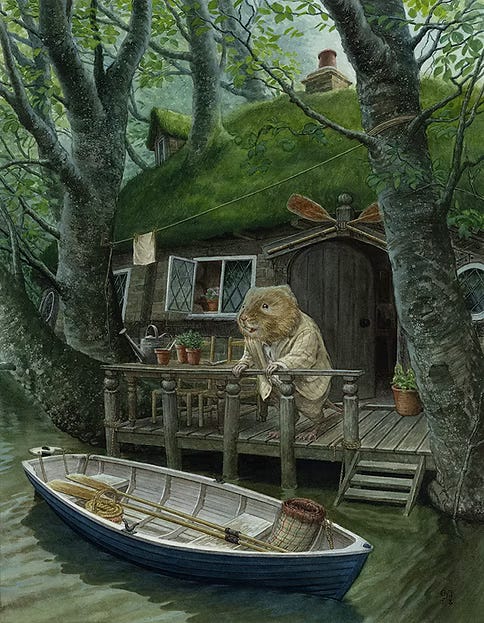
Amid all this change, Grahame story calls us back to the simple things that were in danger of being lost. The simple things in life that Grahame wanted to see preserved are indicated by the character of Rat and his world of the riverbank.

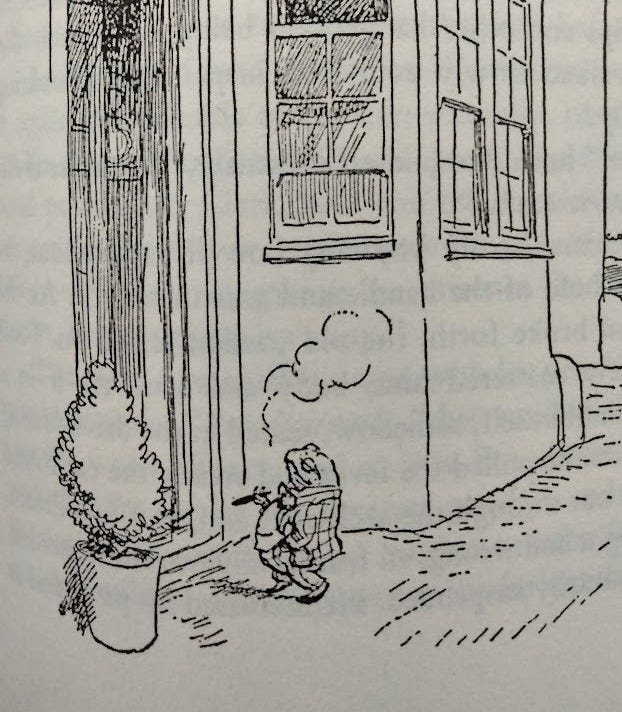
But Rat’s world is fragile. His love for order and domesticity is threatened by Toad, representing a modern world obsessed by the latest technologies, especially technologies of speed. But Rat cannot simply ignore Toad since loyalty is as much a fixture of Rat’s world as his domestic comforts. This creates the tension in the narrative, and the movement from order, to disruption, to restoration.
Meanwhile, the unassuming Mole is the counterpart to Toad. Under the mentorship of Rat, Mole goes on a kind of hero’s journey from immaturity to maturity, even as Toad resists Rat’s wisdom to move into increasing juvenility.
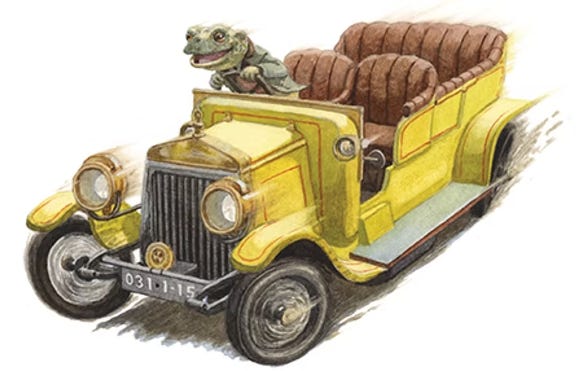
It isn’t just that Toad’s obsession with the latest transportation technologies hastens him toward ruin; rather, these unhealthy fixations render tedious the life Toad has been called to live, which are filled with blessings he can neither perceive nor appreciate. These blessings chiefly include those of home and friendship, both of which become threatened through his reckless behavior.
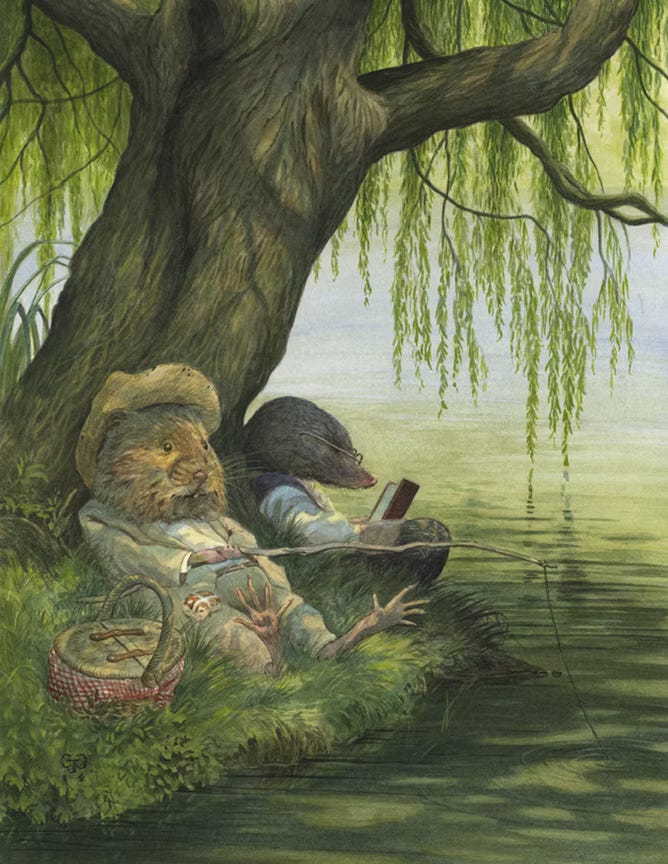
As Mole is coming to love the rhythms and routines of domestic life, as represented by the stable world of the riverbank, Toad is becoming enticed by the lure of novelty and the seductive—though ultimately shallow—romance of the Machine. In time, Toad loses both his friends (through being forcibly separated from them when imprisoned) and his home (which becomes occupied by enemies during his incarceration). Only through repentance, humility, loyalty, and courage—virtues Toad once eschewed—can the stable order be restored, allowing him at last to reach the home at his journey’s end.
Simulations, and the Seduction of Elsewhere
We are also living at a time when stable social order is threatened. The threat isn’t coming from motor cars and speedboats, for technologies of speed have by now metastasized into the social order we take for granted. Rather, the threat is coming from digital simulations. Just as Toad’s flirtations with modernity rendered dull the rhythms and routines of domestic life, so our own forays into a parallel digital realm (everything from alternative reality games, to doomscrolling, to movies that enable us to live out wish-fulfilment fantasies) render monotonous the pedestrian routines of ordinary life and the duties associated with domesticity.

Many of us have become like Toad, living in two worlds: the life of media where we can escape into a vivid realm of fantasy and wish-fulfilment. vs our domestic family life that seems prosaic and humdrum by comparison. This means we continually disengage from the world around us and, at worst, live out a dual identity, where our imaginary self can start appearing more real than the actual life to which God has called us;
This dual identity was portrayed dramatically in the 2013 movie The Secret Life of Walter Mitty, which I want to discuss next week. In the meantime, if you get a chance to watch the movie, I encourage you to, as there will be spoilers in my next post.
Further Reading